



How to Keep Your Dog Warm at Night: Choosing the Best Winter Bed in Australia
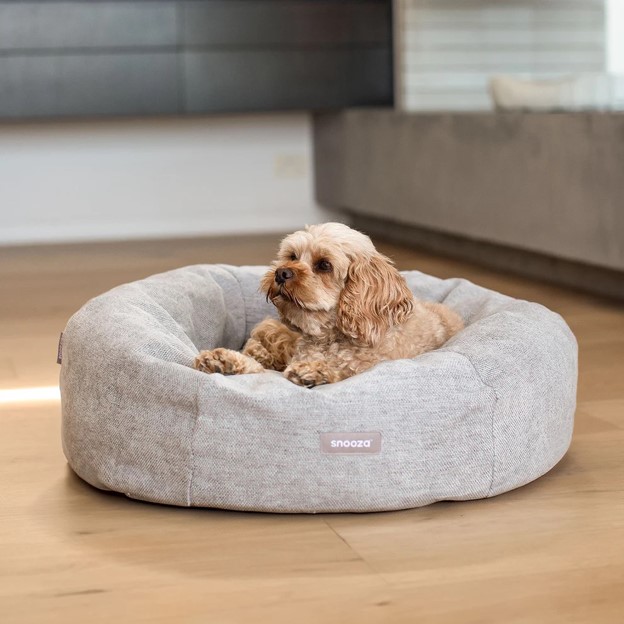
Australian winters bring bitterly cold nights, particularly across southern states and regions where overnight temperatures regularly fall into single digits. While your dog’s coat provides natural insulation, it does not always provide enough protection from cold floors, draughts and chilly overnight temperatures.
Keeping your dog warm at night is about more than making their sleeping area cosy. The right bed can help your dog stay comfortable, reduce exposure to cold surfaces and provide a secure place to rest throughout the night.
At Drover Dog & Co, we understand that every dog has different sleeping habits, body shapes and comfort requirements.
From dogs that love to curl up and burrow to those that stretch out across their entire bed, choosing the right winter bed can make a noticeable difference.
Do Dogs Get Cold at Night?
Yes, dogs feel the cold just like people do. However, their ability to tolerate low temperatures varies significantly depending on their breed, size, age, coat and overall health.
A thick winter coat can provide excellent natural insulation, but even heavily coated dogs can become uncomfortable when exposed to cold temperatures for extended periods.
Dogs may be particularly vulnerable to cold when sleeping because they are inactive for several hours and may have limited opportunities to move around and generate body heat.
Cold floors can also contribute to heat loss. Tiles, concrete, floorboards and other hard surfaces can become particularly cold overnight, drawing warmth away from your dog’s body.
A properly insulated warm dog bed that pet owners can rely on is an important part of your dog’s winter setup.
Which Dogs Need Extra Warmth?
Some dogs are naturally better equipped to handle cold weather than others.
Small dogs
Smaller breeds have less body mass and can lose body heat more quickly. Breeds such as Chihuahuas, Dachshunds and Maltese may appreciate extra warmth during winter.
Short-coated dogs
Dogs with short or thin coats have less natural insulation. Greyhounds, Whippets, Boxers and similar breeds may benefit from a well-insulated bed and additional bedding.
Puppies
Young puppies are still developing their ability to regulate body temperature and may need extra protection from cold environments.
Senior dogs
Older dogs can become more sensitive to cold, particularly if they experience age-related stiffness or joint discomfort. A supportive, insulated bed can provide both warmth and comfort.
Dogs with health conditions
Certain health conditions can affect a dog’s ability to regulate body temperature. If your dog has a medical condition or you are concerned about their ability to cope with cold weather, speak with your veterinarian for individual advice.
Even dogs with thick double coats can appreciate a warm, comfortable sleeping space during particularly cold winter nights.
How Can You Tell If Your Dog Is Cold?
Your dog cannot tell you they’re uncomfortable, but their behaviour can provide useful clues.
Signs your dog may be feeling cold include:
- Shivering or trembling
- Curling tightly into a ball
- Seeking warm areas around the home
- Cold ears or paws
- Restlessness during the night
- Whining or appearing uncomfortable
- Reluctance to leave a warm sleeping area
If your dog is showing more serious symptoms such as weakness, confusion, unusual breathing or pale gums, seek veterinary advice right away.
Why Your Dog’s Bed Matters During Winter
Your dog’s bed plays an important role in separating their body from cold surfaces.
A thin mat placed directly on a cold floor may provide very little insulation. By contrast, a thickly padded bed can create a barrier between your dog and the floor while helping retain warmth around their body.
When choosing a winter bed, consider four key features:
- Insulation
- Support
- Size
- Design
The warmest bed isn’t necessarily the largest or most heavily padded option. It should suit your dog’s size and sleeping style while providing enough insulation and support.
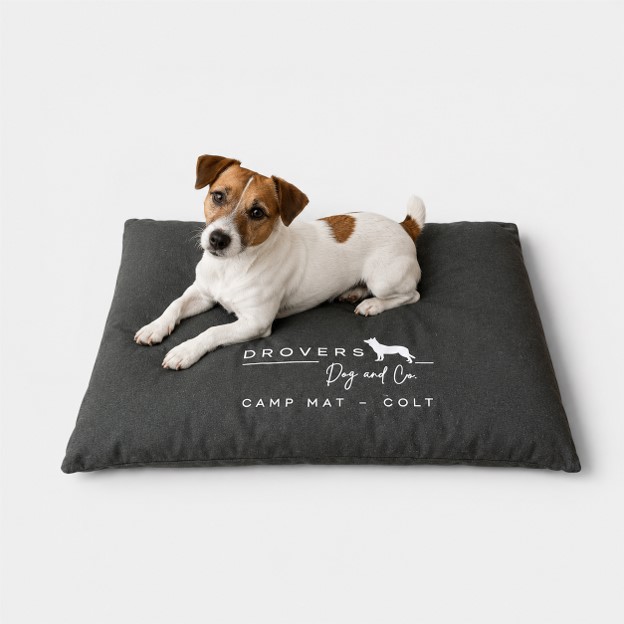
Drovers Dog & Co Camp Mat — Heavy-Duty Canvas Dog Mat
Choose a Bed With Good Insulation
One of the most important considerations when choosing a winter dog bed is the quality and thickness of the filling.
A well-filled bed can provide a layer of insulation between your dog and the cold floor. It can also create a comfortable surface that allows your dog to settle into a natural sleeping position.
Avoid relying solely on thin mats during particularly cold weather. If your dog sleeps on tiles, concrete or another cold surface, additional insulation underneath the bed may also be beneficial.
The objective is to create a comfortable sleeping zone that separates your dog from the coldest surfaces in the room.
High-Sided Beds for Dogs That Love to Curl
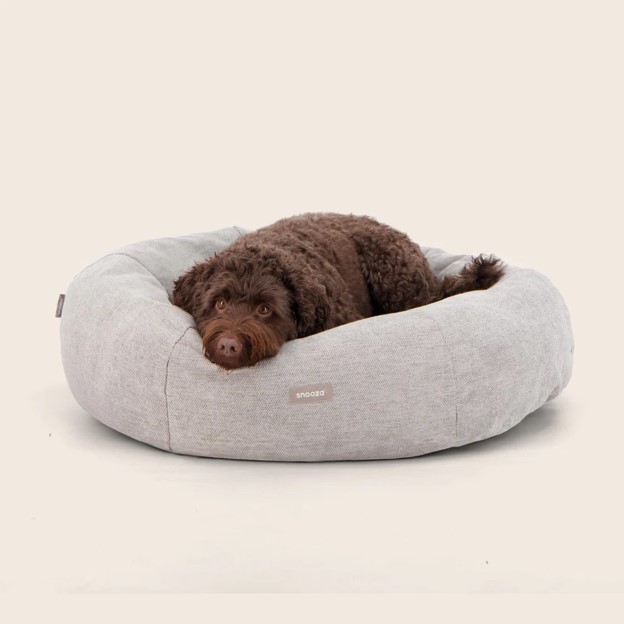
Some dogs naturally curl into a ball when they sleep. For these dogs, a high-sided or calming bed can be particularly suitable.
Raised edges create a cosy, enclosed sleeping space that can help your dog feel secure. The shape also gives dogs somewhere to rest their head while allowing them to curl comfortably inside the bed.
If your dog spends winter nights burrowing into blankets or squeezing themselves into small spaces, a calming-style bed may suit their natural sleeping behaviour.
When you buy warm dog bed products, consider how your dog actually sleeps rather than simply choosing a bed based on appearance.
Beds for Dogs That Stretch Out
Not every dog wants to curl up with their owner. Some dogs prefer to stretch their legs and sleep on their side or stomach. These dogs may benefit from a larger rectangular bed with plenty of cushioning.
Make sure the bed is long and wide enough for your dog to fully stretch out without hanging over the edges.
A bed that is too small can prevent your dog from finding a comfortable position, regardless of how warm it is.
Orthopaedic Support for Older Dogs
Winter can be particularly challenging for older dogs that experience stiffness or reduced mobility.
A supportive bed with appropriate cushioning can provide a more comfortable place to rest while insulating your dog from cold flooring.
When choosing a bed for an older dog, consider:
- Supportive filling
- Easy access
- Sufficient sleeping space
- Insulation from the floor
- A surface that is comfortable and easy to clean
If your senior dog is experiencing new or worsening stiffness, speak with your veterinarian rather than assuming it is simply due to the cold.
Don’t Forget the Dog Blanket
A warm bed is an excellent starting point, but a quality dog blanket can provide another layer of comfort during winter.
Some dogs love to burrow underneath blankets, while others prefer to have one draped over the top of their bed.
Allow your dog to choose how they use the blanket. If they repeatedly move it away, they may not need the extra layer at that particular time.
Choose blankets that are appropriately sized, washable and durable enough for regular use.
Avoid using household electric blankets designed for people unless specifically advised otherwise. Dogs can chew electrical cords, creating a significant safety risk.
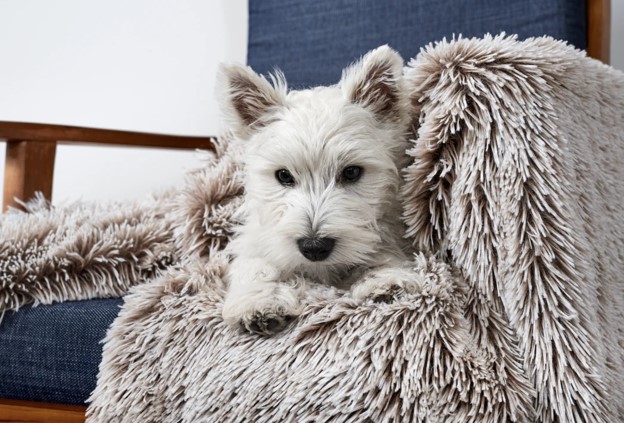
Snooza Calming Cuddler Blanket – Mink
Where Should Your Dog’s Bed Go?
Even the best winter dog bed will be less effective if it is positioned in a cold, draughty location.
Try to place the bed:
- Away from external doors
- Away from draughty windows
- Off cold floors where practical
- Away from strong air-conditioning or heating vents
- In a quiet area where your dog feels secure
You don’t necessarily need to place your dog directly next to a heater as exposure to excessive direct heat can create its own risks and may make your dog uncomfortable.
Instead, aim for a stable, comfortable room temperature and provide your dog with a warm sleeping area where they can move away from additional warmth if needed.
What About Dogs Sleeping in Crates?
If your dog sleeps in a crate, a suitable crate cover can help create a more enclosed, den-like environment.
A cover can reduce draughts and make the crate feel more secure. However, ventilation remains essential.
Never completely seal a crate or obstruct airflow in an attempt to keep your dog warmer.
The crate should remain appropriately ventilated, and your dog should always have enough room to stand, turn around and lie down comfortably.
What If Your Dog Sleeps Outside?
Some Australian dogs are used to sleeping outdoors, but winter conditions require additional consideration.
An outdoor sleeping area should provide:
- Protection from wind and rain
- A dry, weather-resistant shelter
- Insulation from the ground
- Clean, dry bedding
- Protection from extreme temperatures
Wet bedding provides significantly less insulation than dry bedding, so check your dog’s sleeping area regularly and replace damp materials.
However, for many dogs, particularly puppies, seniors, small breeds and short-coated dogs, bringing them indoors during very cold weather is the safer option.
If you are unsure whether your dog can safely sleep outside during winter, speak to your veterinarian.
How to Create the Ultimate Winter Sleeping Setup
Choosing a warm bed is only one part of creating a comfortable winter environment, so it’s best, consider the entire sleeping area.
Start with a properly sized, insulated dog bed. Position it away from draughts and cold surfaces. Add a suitable blanket if your dog enjoys burrowing or extra layers.
Observe how your dog uses the space.
Do they curl tightly into the smallest part of the bed? They may prefer a calming bed with raised sides.
Do they stretch across the entire surface? A larger, flat sleeping area may be more appropriate.
Do they regularly burrow under blankets? Give them a safe, washable blanket they can rearrange themselves.
Your dog’s behaviour can tell you a lot about what they find comfortable.
Buying Dog Products in Australia
When you’re looking to buy dog products Australia pet owners can trust, it’s worth considering more than just price and appearance. Look for products that are designed around how your dog actually sleeps and behaves.
Materials should be comfortable and durable, while beds should be appropriately sized and easy to maintain.
For shoppers wanting to buy dog products in Sydney or Adelaide, choosing products specifically designed for Australian conditions can help ensure you’re purchasing something suited to your dog’s everyday needs.
Make Winter More Comfortable With A Warm Bed
Keeping your dog warm at night doesn’t need to be complicated or expensive. Often, the biggest difference comes from choosing the right bed and placing it in the right location.
A well-insulated bed can separate your dog from cold floors, while raised sides, supportive filling and blankets can provide additional comfort depending on your dog’s preferences.
Whether you’re looking to buy dog products Australia wide, or simply looking for a warm dog bed in Australia your dog will love, choosing the right winter bedding can help your companion stay comfortable throughout the colder months.
Explore Drover Dog & Co’s range of dog beds and accessories today to find a winter sleeping setup designed around your dog’s comfort, size and sleeping style.
-
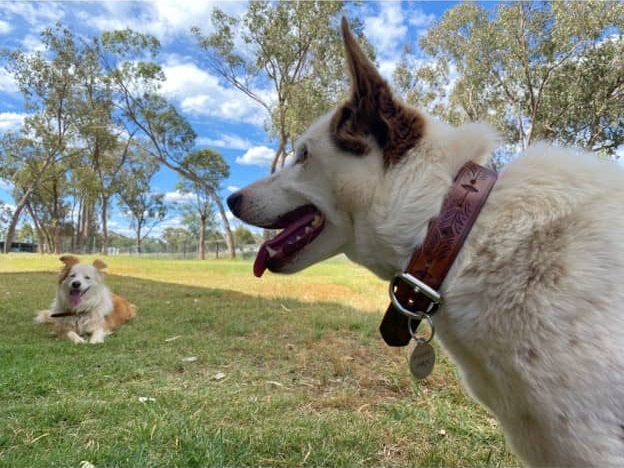 Leather vs. PVC Dog Collars: Which Is Best for Australian Dogs?
Finding the right collar for your furry friend is a very important decision. Australian dogs experience a wide range of environments, from sandy beaches and muddy bush trails to suburban parks and city streets. So, your dog’s collar needs to be comfortable, durable, and suited to their lifestyle. Two of the most popular material options […]
Read More -
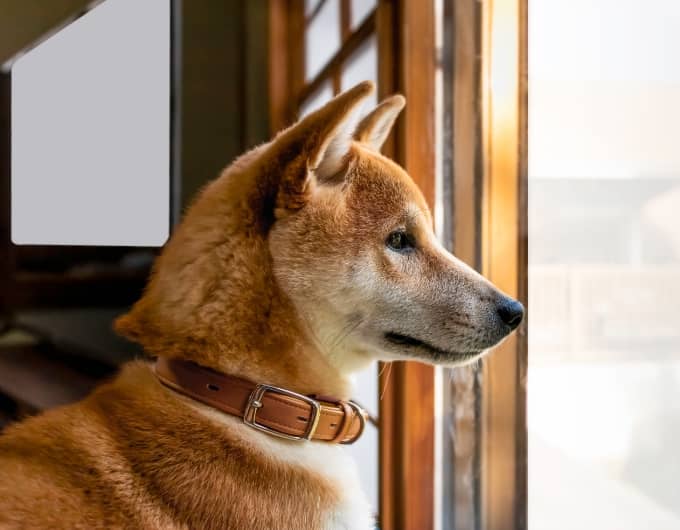 How to Size Perfectly When You Buy a Handmade Leather Collar
Finding the perfect collar for your dog isn’t just about choosing a beautiful design. The right fit is essential for your dog’s comfort, safety, and overall wellbeing. Whether you’re purchasing a collar for a new puppy or replacing an old favourite, proper sizing ensures your dog can wear their collar comfortably every day. If you’re […]
Read More -
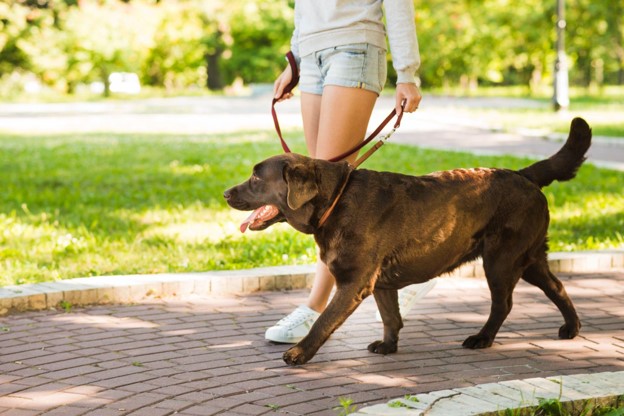 5 Reasons Your Dog Needs Daily Supplements Before Winter Hits
As soon as the weather starts to cool down, many Australian dog owners begin preparing their homes, routines, and wardrobes for winter. While we often think about warm bedding and rainy-day walks, one important area that’s commonly overlooked is our dog’s nutrition and overall health support, especially during the colder months. Just like humans, dogs […]
Read More -
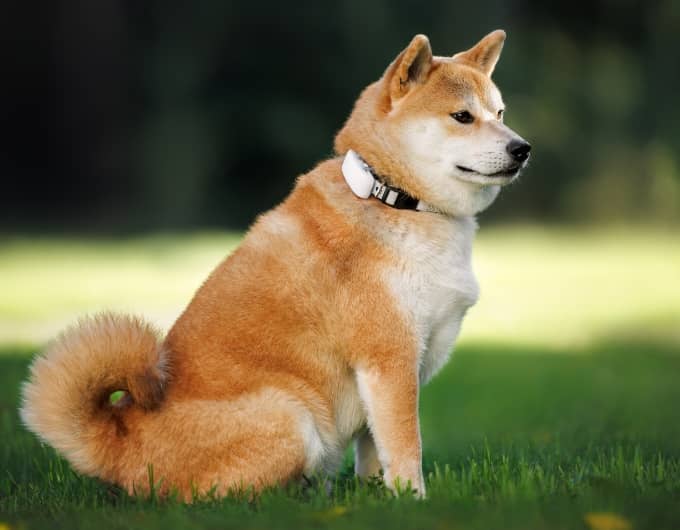 Types of Dog Collars: How to Choose the Right One for Your Dog
Choosing the right dog collar is actually more important than many pet owners realise. A collar is not just a place to attach an ID tag or lead, but something that aids in your dog’s comfort, safety, training, and even their everyday wellbeing. With so many styles and materials available today, trying to decide what […]
Read More